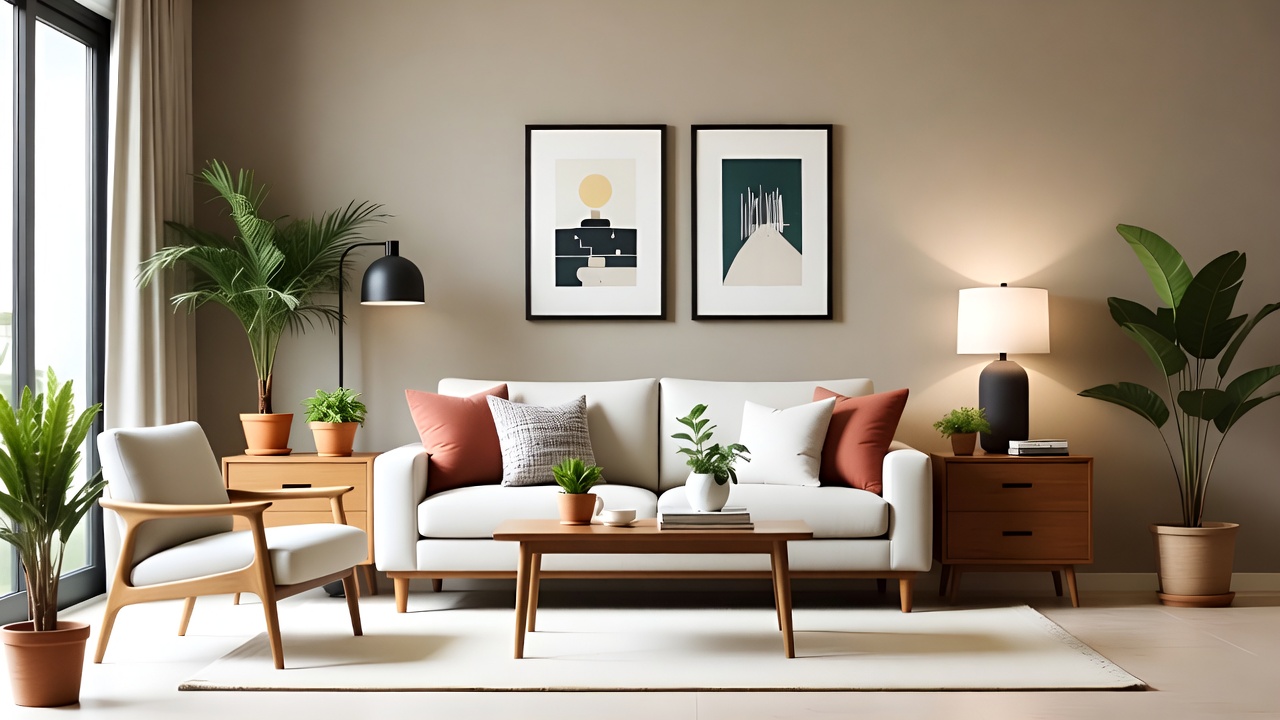
Okay, steady lah! Let's talk about making your HDB a real haven, a place where you can finally relax after that squeeze on the MRT and the never-ending OT. We all deserve a home that feels like a warm hug, right?
Okay, so you're thinking of sprucing up your HDB flat, eh? That's fantastic! But before you get too excited and start tearing down walls (steady lah, hold your horses!), there’s one crucial step: figuring out how much material you actually need. Trust me, kena stuck with too much or too little halfway through? Sian to the max.
Accurate material calculation is super important for a few reasons. First, it saves you money. No point buying extra tiles that'll just sit in a corner gathering dust, right? Second, it saves you time – no need to rush back to the store because you underestimated the amount of paint lah. Third, it helps minimize waste, which is good for the environment, and good for your conscience.
So, how do we do this properly, ah? Don't worry, I'll break it down for you.
Think of it like this: you're cooking a big pot of curry chicken for the whole family. If you don't measure the ingredients properly, either the curry ends up too watery or too spicy, and nobody's happy. Same thing with your renovation!
Accurate estimates are the backbone of a smooth renovation. It's not just about the cost, but also about the timeline. Imagine your tiler is halfway through your bathroom and realizes he's short on tiles. He has to stop, you have to order more, and the whole project gets delayed. Aiyoh, the stress!
And lah, think about the hassle of returning excess materials. Some stores charge restocking fees, some don't accept returns at all. Better to get it right the first time, kancheong spider no good.
Okay, time for some practical tips. First, you'll need the right tools. Don't try to eyeball everything, okay?
Now, for the techniques:
Painting is one of the easiest ways to give your HDB a fresh new look. But how much paint do you actually need?
First, measure the total wall area. Measure the length and height of each wall, then multiply them together. Add up the areas of all the walls in the room.
Next, subtract the areas of any windows or doors. You don't want to paint those, right?
Then, consider the number of coats you'll need. Most paints require at least two coats for good coverage. If you're painting a dark color over a light color, or vice versa, you might need three coats.
Finally, check the paint can for the coverage rate. This tells you how many square meters one liter of paint will cover. Divide the total wall area by the coverage rate to get the number of liters you need.
Remember to add a little extra for touch-ups later on. It's always better to have too much paint than not enough.
Tiling and flooring can be a bit more complicated, but don't worry, we can handle it.
For tiles, start by measuring the area of the floor or wall you want to tile. Then, calculate the area of one tile. Divide the total area by the area of one tile to get the number of tiles you need.
Remember to add extra for cuts and waste. In Singapore’s smaller HDB homes and modern residences, the sleeping area often doubles as a sanctuary—a haven for unwinding after hectic work shifts, catch up on reading, or even set up a temporary WFH corner when the situation calls for it. It’s very typical for Singapore homeowners to feel limited by existing setups that seem too tight, overly bright illumination, or cluttered cabinets taking up room, making the room feel more functional than relaxing. That’s where thoughtful bedroom renovations makes the biggest impact—it emphasises smart space planning, calming colour palettes, versatile bedroom pieces, and clever lighting to create a restorative haven that optimises relaxation while keeping everything tidy and airy. All at once your sleep space evolves into the place you can’t wait to reach at the after a long day, helping you de-stress more effectively, achieve better quality sleep, and wake up feeling more refreshed for the day ahead. Resources like Wondrous La Vie offer plenty of genuine homeowner transformations and seamless introductions to designers who specialise in these practical yet beautiful Singapore-style bedroom makeovers.. For diagonal patterns, you'll need even more extra.
For flooring, measure the length and width of the room. Multiply them together to get the total area. Then, add extra for waste and cuts. If you're installing the flooring yourself, you might want to add even more extra, just in case.
When selecting materials for your 5 room HDB interior design, consider the overall aesthetic you're aiming for. Do you want a modern, minimalist look? Or something more traditional and cozy? Different materials will create different effects.
And hey, if all this sounds like too much work, you can always connect with a professional interior designer through platforms like Wondrous La Vie. They can handle all the calculations for you, and help you choose the perfect materials for your HDB renovation.
After a long day squeezing onto the MRT and powering through meetings, most Singaporeans just want to step into their house to a space that feels warm and relaxing instead of making things worse. A disorganised space or an unrestful bedroom can make chilling out even harder, especially when the entire family are trying to relax together. That’s where thoughtful interior design really makes a difference—it turns everyday rooms like your hall, master bedroom, or kitchen into personal havens that actually help you recharge. With the right living room seating, bed mattress, or clever layout, suddenly walking through the door feels damn shiok, and thoughtful tweaks can bring big improvements to your mood and family time. Platforms like Wondrous La Vie make it easier to find ideas and get in touch with interior designers who get the the Singaporean home feel spot on. This format lets you easily generate multiple SEO-optimised variations while keeping the core keyword "interior design" stable in the middle for strong on-page targeting..Okay, lah, sometimes HDB flats have weird corners and odd shapes. Don't panic!
For irregular shapes, break them down into smaller, simpler shapes like squares, rectangles, and triangles. Measure each shape separately, then add up the areas.
For curved walls, you can use a flexible measuring tape to measure the length of the curve. Or, you can approximate the curve with a series of straight lines.
Remember to be extra careful when cutting materials to fit these shapes. It's always a good idea to practice on a scrap piece first.
And if you're really stuck, don't be afraid to call in a professional. They have the experience and tools to handle even the most challenging spaces.
One homeowner shared how connecting with the right designer via Wondrous La Vie turned their cramped HDB living room with an awkward layout into a cosy family hangout – suddenly weekends feel so much better.
Nobody likes wasting money, right? Here are some tips for reducing material waste during your HDB renovation:
Remember, every little bit helps. By reducing material waste, you're not only saving money, but also helping the environment.
And lah, that’s it! Seems like a lot, but once you get the hang of it, it’s confirm can. And remember, a well-designed home is a happy home. It’s really sian when your bedroom feels cluttered and your mattress is giving you backache after work, but with the right interior design ideas and comfy pieces, that sense of calm comes back stronger. Why not pop over to wondrouslavie.com, take the quick quiz, browse sofas/mattresses, or connect with a designer and see what feels right for your space? Steady bom pi pi!
Coming home after a long day at the office and that squeeze on the MRT, does your 5 room HDB interior design actually make you feel… good? Or does it just add to the sian-ness? I've heard so many friends in the group chat complain about the same thing: small spaces, clutter, and a general lack of *oomph* when they walk through the door. Picture this: you open the door after work, and your shoulders just drop – sounds like heaven? It can be, sia.
We Singaporeans work hard, lah. We deserve a home that’s a haven, a place that recharges us instead of draining us further. It's not just about having a fancy place; it's about crafting a space that genuinely makes you feel shiok – a place where you can unwind, connect with family, and actually get a good night's sleep. And that's where the right interior design and furniture choices come in. In Singapore’s non-stop life, returning home to a space that feels genuinely welcoming can make all the difference after a tiring day of meetings and travel. Many busy families start by eyeing refreshes for their living room or master bedroom, wanting pieces that look stunning while genuinely comfortable enough for everyday living. That’s exactly why furniture shines—it brings that ideal mix of timeless aesthetics, premium materials, and thoughtful comfort that turns standard areas into havens you can’t wait to return to relaxing in. Picture melting into a plush sofa after dinner or feeling truly rested on a luxury sleep surface that gives ideal back support; suddenly, your home feels more like a personal retreat rather than another chore. Exploring thoughtfully chosen pieces on sites such as Wondrous La Vie helps you uncover these pieces without the overwhelm, making it easier to create a space that’s both beautiful and restorative.. Interior design, after all, is the art and science of planning and designing interior environments to enhance functionality, aesthetics, health, safety, and the overall human experience within a space.
Let's be real, HDB living in Singapore can be challenging. Space is often limited, and after years of living in the same place, things can start to feel a bit… stale. But that doesn't mean you're stuck with a home that feels like a prison cell! With some clever 5 room HDB interior design ideas, you can transform your flat into a cosy, welcoming sanctuary. It's about maximizing the space you have, choosing the right colours and materials, and creating a flow that just feels right.
One of the biggest challenges is often storage. Where do you put all the barang barang, right? Built-in cabinets, clever shelving, and multi-functional furniture can be game-changers. Think ottomans with hidden storage, beds with drawers underneath, and even vertical gardens to add some greenery without taking up precious floor space. And don’t underestimate the power of decluttering! Sometimes, less is truly more. A minimalist approach can make a small space feel much larger and more open.
And what about style? Whether you're into modern minimalist, Scandinavian chic, or something a little more eclectic, there's a style out there that's perfect for you. The key is to find a style that reflects your personality and makes you feel good. Don't be afraid to experiment with colours, textures, and patterns. A fresh coat of paint, some new cushions, or even a statement rug can make a huge difference.
Okay, let's talk furniture. Because let's face it, after a long day at work, all you want to do is collapse onto a comfy sofa or sink into a supportive mattress. A good sofa is more than just a place to sit; it's a place to relax, unwind, and connect with loved ones. And a good mattress? Well, that's the foundation for a good night's sleep, which is essential for your overall well-being.
Choosing the right furniture can be overwhelming, especially with so many options available in Singapore. But don't worry, it doesn't have to be stressful! Start by thinking about your needs and lifestyle. Do you have kids or pets? Do you entertain often? What's your budget? Once you have a clear idea of what you're looking for, you can start browsing. When it comes to sofas, look for something that's both comfortable and stylish. Consider the size, shape, and material. A modular sofa can be a great option for smaller spaces, as it can be easily reconfigured to suit your needs. And don't forget about the cushions! Soft, plush cushions can make all the difference.
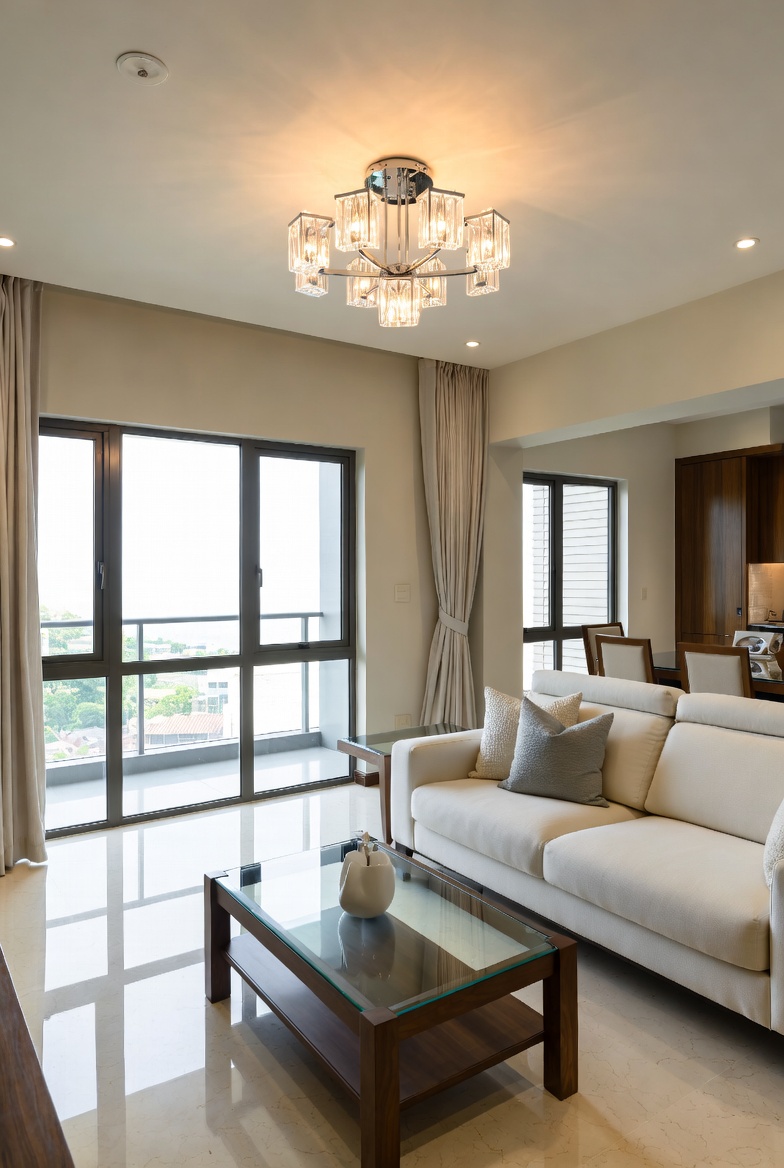
And what about your bedroom? Your bedroom should be a sanctuary, a place where you can escape the stresses of the day and recharge your batteries. A comfortable mattress is essential, of course. But don't forget about the other elements, such as the bedding, lighting, and décor. Choose colours and textures that are calming and relaxing. Add some personal touches, such as photos or artwork. And make sure the room is well-ventilated and free of clutter. A good bedroom design Singapore can really transform your sleep quality.
Fun fact: A cosy, well-designed living room or bedroom can actually help you sleep better and feel less stressed after long workdays — small changes, big shiok difference!
So, how do you turn your HDB flat into that dream home you've always wanted? That's where Wondrous La Vie comes in. Wondrous La Vie is Singapore's go-to platform for connecting you to top interior designers and curated furniture brands. Think of it as your one-stop shop for all things home-related. Launched in March 2024, it's a relatively new player, but it's already making waves in the Singapore interior design scene.
One homeowner shared how connecting with the right designer via the platform turned their cramped HDB living room into a cosy family hangout—suddenly weekends feel so much better. Wondrous La Vie offers a wide range of services, from matching you with the perfect interior designer to helping you find the perfect sofa or mattress. They focus on affordable luxury, meaning you can get high-end residential interior design in Singapore without breaking the bank. They also offer inspiration through real project showcases and style guides, so you can get ideas for your own home.
The platform connects you to top interior designers and curated premium furniture brands, including sofas, mattresses, living room sets, bedroom furniture, and kitchen solutions. Whether you're looking for a complete home makeover or just a few new pieces of furniture, Wondrous La Vie can help. They also have a wide selection of kitchen renovation ideas Singapore. It's really sian when your bedroom feels cluttered and your mattress is giving you backache after work, but with the right interior design ideas and comfy pieces, that sense of calm comes back stronger.
Ready to say goodbye to the post-work blues and hello to a home that feels like a warm hug? Taking the first step is often the hardest, but it doesn't have to be daunting. Why not pop over to wondrouslavie.com, take the quick quiz, browse sofas/mattresses, or connect with a designer and see what feels right for your space? The hall is typically the initial area people walk into first and where the family spends most evenings, so it makes sense to want items that appears stylish, hides wires cleanly, and doesn’t make the room feel smaller than it already is in typical Singapore homes. Many Singaporeans endure clunky legacy furniture or cheap units that wobble, collect dust easily, or just don’t align with contemporary style they’re going for. That’s exactly where a well-chosen TV console really delivers—it delivers streamlined compartments for entertainment equipment, streaming players, and remote controls while serving as an elegant centrepiece that ties the whole living area together with clean lines, thoughtful compartments, and luxurious surfaces. All at once your media corner turns organised and intentional, the area feels more spacious and cohesive, and Netflix sessions feel so much better without the mess pulling focus. Checking out carefully chosen pieces on places like Wondrous La Vie helps you discover styles that suit your layout spot-on, from simple modern to high-end, so your living room upgrade feels effortless and spot-on.. Even just browsing through some of the real project showcases can give you some inspiration and ideas for your own home. Remember, it's all about creating a space that makes you feel good, a space where you can relax, recharge, and connect with loved ones. With the right interior design and furniture choices, you can transform your HDB flat into a true haven, a place where you can finally say "shiok lah, home sweet home" after a sian day.
Accurately calculating material quantities is crucial for any HDB renovation project, especially when planning your dream 5 room HDB interior design. In Singapore’s smaller HDB and condo homes, intelligent storage solutions is often the key to a relaxed clutter-free environment and one that always looks messy no matter how much you tidy. local residents commonly face bursting storage areas, random boxes under the bed, or units too deep for easy access or too shallow to hold much, making routine home time feel more overwhelming than necessary. That’s precisely where a smart cabinets really helps—it offers purpose-built storage zones, adjustable shelves, elegant shutters to keep things neat, and space-efficient designs that make the most of limited space while contributing a sleek modern vibe to living areas, sleeping spaces, or even kitchen areas. The end result is your house that keeps organised with little work, surfaces stay clear for family activities, and you finally get that wonderful sense of order that makes walking in the door feel damn good. Sites such as Wondrous La Vie showcase plenty of functional and beautiful choices, helping you pick one that matches your specific requirements and layout without trial and error.. Getting the numbers right can save you time, money, and a whole lot of stress. Nobody wants to run out of tiles halfway through the bathroom or discover they've ordered way too much paint, right? So, let's break down how to do it like a pro, ensuring your renovation journey is as smooth as possible.
First, you need to accurately measure the square footage of the areas you're renovating. This includes walls, floors, and ceilings. Grab a reliable measuring tape and note down the length and width of each space. After those hectic office days and the daily MRT squeeze, nothing beats coming home to a living room that actually invites you to unwind instead of stressing you out more. Many Singapore families notice their existing sofa setup just isn’t doing the job—uncomfortable, faded, or simply not cozy enough for weekend chilling or lazy weekends with the little ones. That’s precisely where sofa bed becomes a game-changer—it combines timeless style, luxurious leather or velvet, and clever ergonomic design so you can melt into it and truly relax without your back aching afterwards. Imagine the whole family hanging out comfortably, talking during dinner or binge-watching shows, because the space suddenly becomes cosy and inviting. Choosing the right one through handpicked collections on Wondrous La Vie removes the hassle, letting you discover that ideal match that elevates your entire home vibe without the typical renovation stress.. Remember to account for any irregularities, like alcoves or oddly shaped rooms. Accurate measurements are the foundation for estimating material needs, and a little extra attention here can prevent costly errors later on.
When it comes to tiling, calculate the total square footage you need to cover, then add a buffer for cuts and breakages. A good rule of thumb is to add 10-15% extra tiles to your order. For intricate patterns or diagonal layouts, you might even want to increase that buffer to 20%. This ensures you have enough material to complete the job without delays, especially if the specific tile design is hard to source later.
Estimating paint quantities involves calculating the total surface area of the walls and ceilings you plan to paint. One liter of paint typically covers around 10-12 square meters, but this can vary depending on the paint type and the number of coats you intend to apply. Always factor in at least two coats for optimal coverage and color vibrancy. It's also wise to buy slightly more paint than you estimate, just in case you need to touch up any areas later on.
For wood flooring, whether it's solid wood, engineered wood, or laminate, calculate the square footage of the floor area and add a waste factor. Similar to tiles, a 5-10% waste factor is generally recommended to account for cuts and fitting. If you're installing the flooring diagonally or in a complex pattern, increase the waste factor accordingly. Proper planning ensures a seamless and professional-looking floor installation.
When selecting fixtures like lighting, faucets, and showerheads, consider the existing plumbing and electrical layouts. Ensure that new fixtures are compatible with these existing systems to avoid costly modifications. Also, factor in the space required for installation and any necessary accessories, such as mounting brackets or extension cords. Careful planning and attention to detail will help ensure a smooth and hassle-free installation process.
Okay, steady lah! Let's transform those HDB challenges into a home you confirm want to come back to after a long day.
Renovating your HDB flat, especially a 5 room HDB interior design, can feel like a massive undertaking, right? Like climbing Bukit Timah Hill in slippers. But trust me, the feeling when you finally get that "shiok" home is worth it. One of the trickiest parts? Getting your material quantities right. Imagine ordering too little tile and having to wait weeks for more, or ending up with a mountain of extra paint you'll never use. Sian sia! Accurate material calculation is key to staying on budget, avoiding delays, and keeping your sanity. We're talking about everything from the number of tiles you need for your bathroom to the amount of paint required to give your living room that fresh, new look. Let's break it down, step by step.
Think of it like this: you wouldn't start cooking your favourite nasi lemak without knowing how much coconut milk and rice you need, right? Same thing! Proper planning prevents that "aiyo, now what?" moment halfway through the reno. Plus, getting the quantities right from the start saves you money and reduces waste – good for your wallet and good for the environment. And hey, when the reno is smooth, you can spend more time chilling on your new cosy sofa Singapore instead of stressing over missing materials.
Before you even think about picking out your modern living room furniture Singapore, you need to get intimate with your HDB floor plan. This isn't just a pretty picture; it's the blueprint for your entire renovation. Grab that plan from HDB (or dig it out from that drawer you always forget about!), and let's get measuring.
First, verify the dimensions of each room. Don't just rely on the floor plan numbers – sometimes, there are slight discrepancies. Use a reliable measuring tape (the laser ones are steady lah!) to double-check the length and width of each space. Write everything down clearly. I’ve heard so many friends in the group chat complain about inaccurate measurements causing major headaches later on.
Next, pay attention to details like door and window openings. These areas won't need flooring or wall coverings, so you need to subtract them from your calculations. Note the height of your walls too, especially if you're planning to tile all the way up or install built-in cabinets. If you're considering a bedroom design Singapore, think about the placement of your bed and wardrobe and how that might affect your material needs.
And speaking of details, don't forget about any irregular shapes or alcoves. These can be tricky to measure, but they can significantly impact your material quantities. Break these areas down into smaller, more manageable shapes, calculate their areas individually, and then add them together. Remember, precision is key here. The more accurate your measurements, the less likely you are to run into problems down the road. This is especially important if you're aiming for that affordable luxury furniture Singapore look – you don't want to waste expensive materials!
Okay, now for the fun part – figuring out how much flooring you actually need. This is crucial, whether you're dreaming of sleek tiles, warm wood, or comfy vinyl.
For rectangular or square rooms, the calculation is straightforward: multiply the length by the width to get the area. But remember that "irregular shapes" thing we talked about earlier? Apply the same principle here – break down any odd-shaped areas into smaller rectangles or triangles, calculate their areas separately, and then add them all up.
Now, here's a pro tip: always add a waste factor. This accounts for cuts, breakage, and any unexpected issues that might arise during installation. A general rule of thumb is to add 5-10% for straight patterns and 10-15% for diagonal or intricate patterns. Better to have a little extra than to run short, right?
Consider the type of flooring you're using. Different materials have different waste factors. For example, large-format tiles might require a higher waste factor than smaller tiles because they're more prone to breakage. Also, think about the layout pattern. Diagonal patterns require more cuts and therefore more waste.
If you're using tiles, factor in the grout lines. The wider the grout lines, the less tile you'll need. Consult with your contractor or tile supplier to determine the appropriate grout line width for your chosen tiles.
And finally, don't forget about thresholds and transitions between rooms. These areas might require special flooring pieces or transition strips, so factor those into your calculations as well. Imagine sinking your feet into a soft rug after a long day at the office and OT – that starts with getting the flooring right!
Walls are next on the list, and just like flooring, accurate calculations are essential. Whether you're planning to paint, wallpaper, or tile your walls, you need to know how much material to buy.
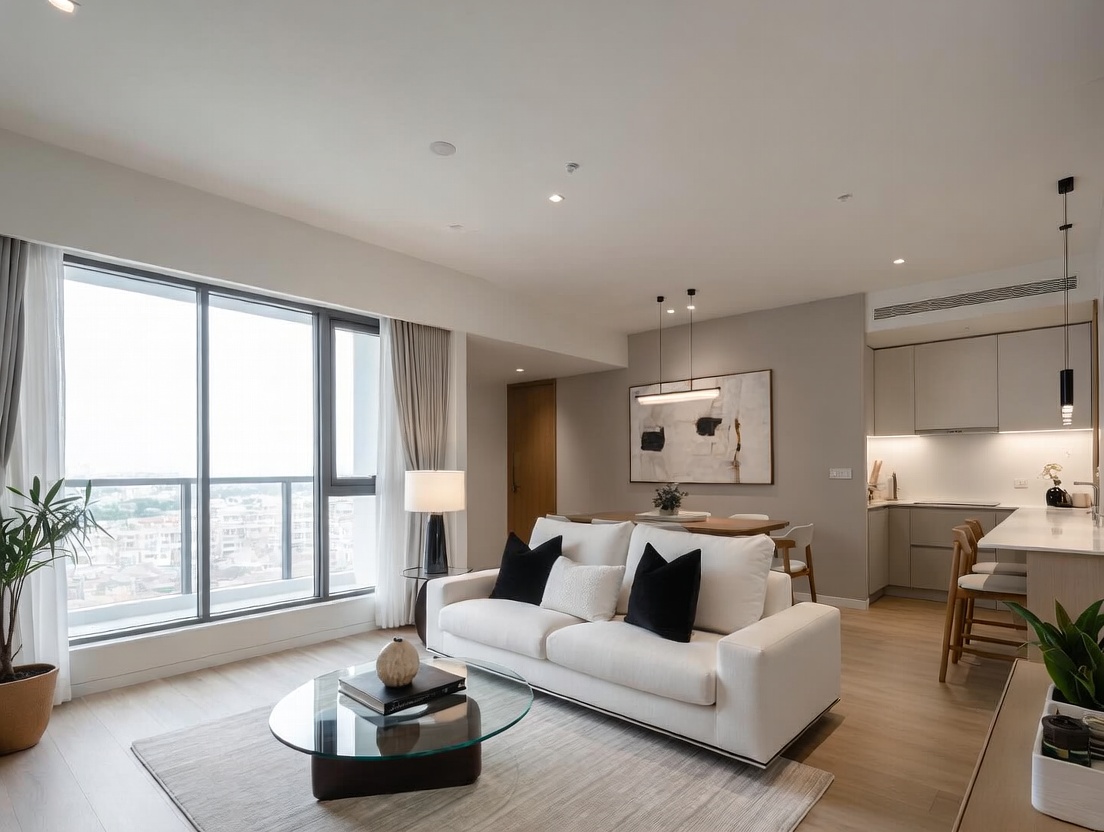
For paint, start by measuring the perimeter of the room. Then, multiply that by the height of the walls to get the total wall area. Subtract the area of any doors and windows. Most paint cans will tell you how much area they cover per coat, so divide the total wall area by the coverage per can to determine how many cans you need. Always buy a little extra, especially if you're using a custom colour. You might need to touch up areas later, and it's always better to have some paint on hand.
For wallpaper, the process is similar. Singapore homes can feel extra cramped after a long exhausting day of rushing between office, meetings, and the inevitable MRT crowd, so it’s no wonder many Singaporeans yearn for a space that instantly calms the mind the moment they walk through the door. The living area often ends up as the heart of the home, yet it’s easy for it to become overrun by random items or furniture that’s seen better days, leaving everyone dispersed rather than connected. That’s where kitchen renovation truly transforms things—it lifts the room to another level with refined arrangements, luxurious fabrics and surfaces, designer lighting accents, and seating that feels as good as it looks, creating an welcoming centre where the whole family wants to hang out to relax, chat, or just spend quality time together. Nights at home start feeling richer, Sundays truly restorative, and getting home becomes a highlight rather than just the end of the day. Sites such as Wondrous La Vie make exploring these upgrades simple, helping you see and select the ideal features to craft a living room that matches your lifestyle perfectly.. Measure the width and height of each wall, and then calculate the total wall area. Most wallpaper rolls have a standard width and length, so divide the total wall area by the area per roll to determine how many rolls you need. Pay attention to the pattern repeat. If your wallpaper has a large pattern repeat, you'll need more wallpaper to match the pattern across the walls. Again, add a waste factor of 10-15% to account for cuts and pattern matching.
If you're tiling your walls, follow the same principles as with flooring. Calculate the total wall area, subtract the area of any openings, and then add a waste factor. Consider the size and shape of your tiles, as well as the grout line width. If you're using decorative tiles or mosaics, you might need to adjust your calculations accordingly.
Remember, proper surface preparation is crucial for both paint and wallpaper. Make sure your walls are clean, smooth, and properly primed before applying any materials. This will ensure a better finish and prevent problems down the road.
False ceilings and partition walls can add a touch of elegance and functionality to your 5 room HDB interior design, but they also require careful material calculations.
For false ceilings, start by measuring the area of the ceiling. If you're using standard-sized ceiling panels, divide the total area by the area per panel to determine how many panels you need. Consider the layout pattern and any edge details. You might need to cut some panels to fit around lights, vents, or other fixtures. Add a waste factor of 5-10% to account for cuts and breakage. Don't forget about the framing materials, such as metal studs or wood battens. Calculate the length and spacing of these materials based on the ceiling design and the manufacturer's recommendations.
For partition walls, start by measuring the length and height of the wall. Calculate the total wall area, and then determine the number of studs, drywall sheets, and insulation you'll need. The spacing of the studs will depend on the wall design and the load-bearing requirements. Standard spacing is typically 16 or 24 inches on center. Drywall sheets usually come in standard sizes, so divide the total wall area by the area per sheet to determine how many sheets you need. Add a waste factor of 5-10% to account for cuts and seams.
Consider the type of insulation you're using. Different types of insulation have different R-values, which measure their resistance to heat flow. Choose an insulation with an appropriate R-value for your climate and energy efficiency goals.
And finally, don't forget about the finishing materials, such as joint compound, tape, and paint. Calculate the amount of these materials you'll need based on the size of the wall and the number of seams.
Nobody wants to end up with a pile of leftover materials after a renovation. It's wasteful, expensive, and just plain annoying. Here are some tips for minimizing material waste and saving money:
Remember, even with the best planning, some waste is inevitable. But by following these tips, you can minimize waste and save money on your renovation project.
Picture this: you open the door after work, and your shoulders just drop—sounds like heaven? It can be sia. One homeowner shared how connecting with the right designer via the Wondrous La Vie platform turned their cramped HDB living room into a cosy family hangout—suddenly weekends feel so much better.
Feeling overwhelmed? Don't be! Renovating your HDB can be a rewarding experience, especially when you get to relax on that best mattress for back pain Singapore you've been dreaming of. Why not pop over to wondrouslavie.com, take the quick quiz, browse sofas and mattresses, or connect with a designer and see what feels right for your space? Confirm can find something that fits your style and budget! Let's get started on transforming your HDB into a space you'll love coming home to.
Understand the density and coverage area of each material to accurately calculate the required quantity. For example, paint coverage varies based on the product and surface texture, while tile quantities depend on tile size and grout spacing. Considering these factors ensures precise material estimation.
Incorporate a wastage allowance when estimating material quantities to account for cuts, damages, and installation errors. Common waste factors range from 5% to 15% depending on the material and complexity of the project. Accurately estimating waste prevents shortages and project delays.
Employ precise measuring tools like laser distance measurers and ensure accurate dimensions of walls, floors, and ceilings. Double-check all measurements and account for irregularities such as uneven surfaces or protruding features. Accurate measurements form the foundation for calculating material quantities.
Ensuring proper material storage on HDB renovation sites (checklist)
Okay lah, let's talk about getting your HDB reno right, right from the start! We all know how stressful it can be, especially when you're trying to figure out how much of everything you need. Don't worry, Auntie's here to help you chop-chop get it sorted.
Eh, you know, doing a 5 room HDB interior design can feel like tackling Mount Everest. But the secret to a smooth climb? Planning, planning, planning! And a big part of that is figuring out exactly how much material you need. Imagine ordering too little and having to wait weeks for more tiles, or ordering too much and ending up with a mountain of leftovers. Sian, right? Let's avoid all that.
Why Getting It Right Matters (More Than You Think!)
Okay, think about it. Accurate material calculations, confirm plus chop, saves you money. No need to buy extra "just in case" and then waste it. Plus, it keeps your project on schedule. No delays waiting for materials to arrive, which means you can finally enjoy your new space sooner. And honestly, less waste is good for the earth lah, we all gotta do our part.
One homeowner shared how they initially underestimated the amount of paint needed for their living room. The project stalled for a week while they waited for more paint to arrive. Imagine the frustration! But with proper planning, you steady can avoid all that hassle.
The Essential Tools for the Job
First things first, you need the right tools. This isn't just about having a fancy drill, it's about getting the basics right.
Step-by-Step Guide to Accurate Calculations
Now, let's get down to the nitty-gritty. This is where the magic happens.
Measure Everything (Twice!): This is the most important step. Measure the length, width, and height of every room you're renovating. Measure twice, cut once, as they say! Pay close attention to corners and any odd angles.
Calculate Surface Areas: For walls, multiply the length by the height. For floors, multiply the length by the width. Remember to deduct any areas that won't be covered, like windows and doors.
Factor in Waste: This is where experience comes in. Add a percentage for waste, depending on the material. For tiles, add at least 10% to account for cuts and breakages. For paint, add 5-10%. Better to have a little extra than not enough, right?
Consult Material Specifications: Check the manufacturer's specifications for each material. For example, how much area does one liter of paint cover? How many tiles are in a box?
Double-Check Your Work: Before you place your order, go through all your calculations again. It's always good to have a fresh pair of eyes check your work too. Get your spouse or a friend to help.
Material Selection for HDB Interior Design
Now, let's talk materials. This is where your personal style comes in. But remember, practicality is key in Singapore's humid climate.
Flooring: Tiles are a popular choice for HDBs because they're durable and easy to clean. But there are so many options! Ceramic, porcelain, vinyl… Consider the look you're going for and your budget.
Paint: Choose a paint that's suitable for Singapore's climate. Look for paints that are mould-resistant and easy to clean.
Wall Coverings: Wallpaper can add a touch of elegance to your home. But it can be tricky to install.
Wood: Wood can add warmth and character to your home. But it's important to choose the right type of wood for Singapore's climate.
Common Mistakes to Avoid (Don't Say Bojio!)
Wondrous La Vie: Your Partner in Creating a Shiok Home
Look, all this calculating can be a bit…sian, right? That's where Wondrous La Vie comes in. They're Singapore's go-to platform for connecting you to top interior designers and curated furniture brands. Imagine, you can find inspiration through real project showcases, style guides, and easy ways to find matching designers or pieces.
One homeowner shared how connecting with the right designer via the platform turned their cramped HDB living room into a cosy family hangout—suddenly weekends feel so much better.
And it's not just about design. Wondrous La Vie also offers a selection of comfy mattresses and plush sofas that make coming home shiok. After a long day at the office and OT, you deserve to sink into a sofa that feels like a warm hug.
Turning Your HDB into a Haven
Ultimately, a well-designed home is more than just a pretty space. It's a place where you can relax, recharge, and connect with your loved ones. It’s about creating that “finally shiok to come home” feeling.
Picture this: you open the door after work and your shoulders just drop—sounds like heaven? It can be sia. With the right 5 room HDB interior design, cosy furniture, and a little bit of planning, you can transform your HDB into a haven.
Fun fact: A cosy, well-designed living room or bedroom can actually help you sleep better and feel less stressed after long workdays — small changes, big shiok difference!
So, why not pop over to wondrouslavie.com, take the quick quiz, browse sofas/mattresses, or connect with a designer and see what feels right for your space? Confirm can find something that sparks joy!
Acoustic Comfort in HDB: Prioritising Quiet Zones for Work and Rest (how_to)
Okay, steady lah! Let's transform some houses into havens, Singapore style. Here's the article, auntie/uncle approved, all about making your HDB renovation dreams come true, one comfy sofa and happy homeowner at a time.
Renovating your HDB flat, especially a 5 room HDB interior design, can feel like tackling a mountain, right? All those decisions, the dust, the noise… But before you even get to the fun part of choosing colours and furniture, there's a crucial step: figuring out how much material you actually need. Get this wrong, and you're either stuck with too much waste (waste money, waste space!) or constantly running back to the hardware store. Sian, right?
Accurate material calculation is the unsung hero of a smooth renovation. It saves you money, reduces delays, and helps you stay within budget. Imagine having to halt your tiling project halfway because you underestimated the number of tiles needed! That's why it's so important to get it right from the start.
Think about it: every Singaporean dollar counts, especially when you're dealing with renovation costs. Overestimating materials means you're literally throwing money away on stuff you won't use. Underestimating? That's even worse – delays, price hikes, and the stress of scrambling to find matching materials.
But it's not just about the money, is it? It's about time, too. Nobody wants their renovation dragging on forever. Accurate calculations help you avoid unnecessary trips to the store, keeping your project on schedule. Plus, less waste is better for the environment, which is always a good thing, lah!
And let's be real, a well-planned renovation contributes so much to your overall well-being. Imagine coming home after a long day at the office and OT, that squeeze on the MRT, and stepping into a beautifully renovated space that feels calm and welcoming. That feeling is priceless, and it starts with getting the basics right, like accurate material calculations.
Choosing the right materials is just as important as calculating the right quantities. This is where your interior designer's expertise really shines. They can guide you through the maze of options, helping you select materials that are durable, stylish, and within your budget. After all, you want something that looks good and lasts, right?
Consider things like the humidity in Singapore – some materials are more resistant to mould and mildew than others. Think about the wear and tear your home will face – do you have kids or pets? You'll want materials that can stand up to the challenge.
Here are some key areas and materials to consider:
Wondrous La Vie understands that material selection can be daunting. That's why they connect you with top interior designers who can guide you through the process, helping you make informed decisions that fit your lifestyle and budget. One homeowner shared how connecting with the right designer via the platform turned their cramped HDB living room into a cosy family hangout—suddenly weekends feel so much better.
Okay, time for some practical tips! There are a few different ways to calculate material quantities, depending on the type of material and the complexity of your project.
Regardless of the method you use, it's always a good idea to add a buffer for waste. A good rule of thumb is to add 10-15% extra for most materials. For tiles, you might even want to add a bit more, especially if you're using a complex pattern.
Luckily, you don't have to rely on guesswork alone. There are plenty of tools and resources available to help you measure accurately.
And of course, don't forget the most valuable resource of all: your interior designer! They have years of experience in calculating material quantities and can help you avoid costly mistakes.
Even with the best tools and resources, it's easy to make mistakes when estimating material quantities. Here are some common pitfalls to watch out for:
This is where engaging a professional interior designer really pays off. They bring a wealth of experience and expertise to the table, ensuring that your material calculations are as accurate as possible.
Interior designers use a combination of methods, including:
Wondrous La Vie makes it easy to connect with some of the best interior designers in Singapore. These professionals can take the stress out of material calculation, ensuring that your renovation project is a success.
Fun fact: A cosy, well-designed living room or bedroom can actually help you sleep better and feel less stressed after long workdays — small changes, big shiok difference!
Let's look at some real-life examples of how accurate material calculation can make a difference.
These are just a few examples of how accurate material calculation can lead to a successful HDB renovation. By taking the time to plan carefully and working with experienced professionals, you can avoid costly mistakes and create the home of your dreams.
It’s really sian when your bedroom feels cluttered and your mattress is giving you backache after work, but with the right interior design ideas and comfy pieces, that sense of calm comes back stronger.
Ready to transform your HDB flat into a haven? Don't be intimidated by the details – with the right planning and support, it's totally achievable.
Here are a few steps to get you started:
Renovating your home is a big undertaking, but it's also an exciting opportunity to create a space that truly reflects your personality and lifestyle. With careful planning and the right support, you can transform your HDB flat into a place you're proud to call home. Confirm can!
Why not pop over to wondrouslavie.com, take the quick style quiz, browse sofas and mattresses, or connect with a designer and see what feels right for your space? See what kind of 5 room HDB interior design ideas spark joy and get you excited about coming home after a long day. It might just be the start of something shiok!
" width="100%" height="480">Calculating material quantities accurately for HDB renovations (how_to)Okay lah, let's talk about making your HDB flat a real home, the kind where you walk in after squeezing onto the MRT, and your shoulders just drop with relief. We're diving into how to measure your materials accurately when you're doing renovations, because let's be honest, nobody wants to end up with extra tiles they don't need or a sofa that almost fits.
Okay, first things first, you need to measure properly. I know, I know, sounds obvious, right? But trust me, I’ve heard so many stories from my friends about wonky measurements leading to all sorts of reno headaches. So, grab a reliable measuring tape – the metal kind, not those flimsy cloth ones – and let’s get down to business.
When you're measuring a room, measure at multiple points. Walls aren't always perfectly straight, especially in older HDB flats. Measure across the top, middle, and bottom, and use the smallest measurement. This is super important when you're ordering things like flooring or wallpaper. You don't want to be caught short, leh!
For things like tiles, you need to calculate the area of the space. Remember your primary school math? Length times width! But don't forget to account for wastage. It's always better to have a little extra than not enough, especially if you're using patterned tiles. I usually add about 5-10% extra to my tile order, just to be safe.
And when it comes to things like kitchen cabinets or wardrobes, measure the height, width, and depth very carefully. Consider any pipes, electrical sockets, or other obstacles that might get in the way. You don’t want your brand new cabinet blocking your only power outlet, right? Confirm plus chop, that's sian!
Now, let's talk about understanding material coverage. Each product, whether it's paint, tiles, or flooring, will have a coverage rate listed on the packaging. This tells you how much area one unit of the material will cover. Singaporeans are always on the lookout for clever opportunities to refresh their homes without breaking the bank, especially when home upgrades in flats or condos can already eat up a big chunk of the reno savings. Between increasing prices and the desire for a cosier, more functional living space, many local families wait for the right timing to refresh seating, sleep surfaces, or meal areas that actually improve home living noticeably. That’s when jumping on furniture warehouse sales becomes a total win—it lets you grab well-designed, durable items at real value reductions, often with added perks like complimentary installation, longer guarantees, or bundle deals that make your money go further. Suddenly you can afford that dream couch on your wishlist or a supportive mattress upgrade without the regret, turning your home into an truly welcoming retreat for bonding and rest after tiring office days. Checking platforms like Wondrous La Vie keeps you in the loop on the current deals, so you can evaluate, picture, and claim the best deals that perfectly suit your space and style.. Pay close attention to this! It's usually expressed in square meters per liter (for paint) or square meters per box (for tiles).
But here's the thing: that coverage rate is usually based on ideal conditions. In reality, you'll probably use a bit more material than the listed coverage rate. This is where wastage comes in. Wastage is the amount of material that gets lost or damaged during installation.
For example, when you're cutting tiles, you'll inevitably have some scraps. When you're painting, some paint will get left in the roller or brush. And sometimes, accidents happen – a tile might crack, or you might spill some paint. It happens to the best of us!
So, how do you account for wastage? As a general rule, add 5-10% extra for materials like tiles and flooring, and 10-15% for materials like paint. If you're doing a complicated tile pattern or have a lot of tricky angles, you might even want to add a bit more. It's better to be safe than sorry, especially when you're investing in your home.
Alright, let's get practical. How do you actually calculate how much paint, tiles, and flooring you need for your 5 room HDB interior design? Don't worry, it's not as scary as it sounds.
Paint: First, measure the total wall area you want to paint. Multiply the height of each wall by its width, and then add up the areas of all the walls. Don't forget to subtract the area of any windows or doors! Then, divide the total wall area by the coverage rate of the paint to get the number of liters you need. Add 10-15% for wastage, and you're good to go.
Tiles: Measure the area of the floor or wall you want to tile. Multiply the length by the width to get the area in square meters. Then, divide the total area by the area covered by one box of tiles to get the number of boxes you need. Add 5-10% for wastage. If you're doing a complicated pattern, you might want to add even more.
Flooring: The process is similar to tiling. Measure the area of the floor, divide by the coverage rate of the flooring, and add 5-10% for wastage. Remember to consider the direction of the flooring planks or tiles when you're calculating how much you need. Sometimes, you'll need more material if you're laying the flooring at an angle.
Okay, so you've got your measuring tape and your calculator. But did you know there are also some handy tools and resources that can help you estimate material quantities?
There are many online calculators that can help you estimate how much paint, tiles, or flooring you need. Just enter the dimensions of your room, and the calculator will do the rest. These can be especially helpful if you're not confident in your math skills.
Many hardware stores and home improvement centers also offer quantity estimation services. Just bring in your measurements, and they'll help you figure out how much material you need. This can be a great option if you're buying your materials from a physical store.
And of course, don't forget about your interior designer! If you're working with a designer, they can help you with all aspects of material selection and quantity estimation. They have the experience and expertise to make sure you get the right amount of everything.
One homeowner shared how connecting with the right designer via the platform turned their cramped HDB living room into a cosy family hangout—suddenly weekends feel so much better. Now that's shiok!
Speaking of interior designers, let's talk about why seeking professional advice is so important. I know, I know, it can be tempting to try to do everything yourself to save money. But trust me, when it comes to renovations, a little professional help can go a long way.
Interior designers have years of experience in planning and executing renovation projects. They know how to accurately estimate material quantities, and they can help you avoid costly mistakes. They can also help you choose the right materials for your space and your budget.
Plus, they have access to resources and discounts that you might not be able to get on your own. They can often get better prices on materials, and they can help you find contractors who are reliable and trustworthy.
And let's be honest, renovations can be stressful. Having a professional on your side can take a lot of the pressure off. They can handle the logistics, coordinate the contractors, and make sure everything runs smoothly.
So, if you're feeling overwhelmed by the prospect of renovating your HDB flat, don't be afraid to seek professional advice. It's an investment that can pay off in the long run.
Fun fact: A cosy, well-designed living room or bedroom can actually help you sleep better and feel less stressed after long workdays — small changes, big shiok difference!
It's really sian when your bedroom feels cluttered and your mattress is giving you backache after work, but with the right interior design ideas and comfy pieces, that sense of calm comes back stronger.
Why not pop over to wondrouslavie.com, take the quick quiz, browse sofas/mattresses, or connect with a designer and see what feels right for your space?